
What Makes Insurance Rates Go Up in Florida?
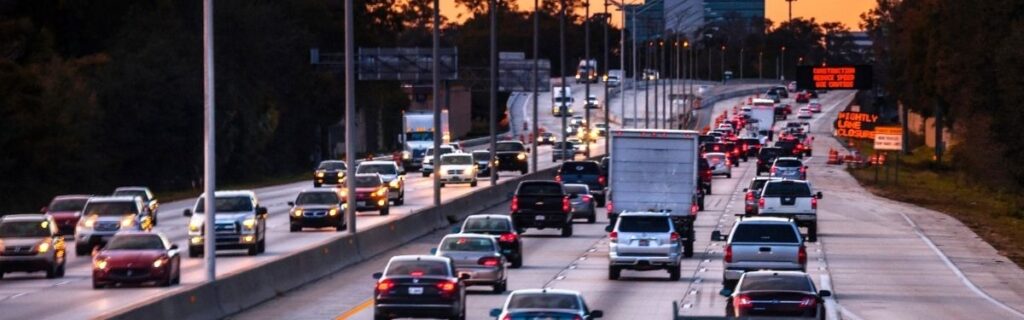
What Makes Insurance Rates Go Up in Florida?
If you’ve opened an insurance renewal notice recently and wondered, “Why did my insurance rates go up? I didn’t even have a claim,” you’re definitely not the only Florida resident asking that question.
Insurance rates aren’t based solely on your personal driving record or whether you’ve filed a homeowners claim. Insurance companies consider a much larger picture that can include where you live, the number and cost of claims in your area, severe weather, vehicle repair costs, construction costs and even changes in traffic patterns.
For residents of Pensacola, Crestview and Northwest Florida, our location creates a particularly interesting mix of factors.
We live in a hurricane-prone state, but we’re also in one of Florida’s popular tourism regions. Add beach traffic, military communities, busy highways and rising vehicle and home repair costs, and insurance pricing becomes much more complicated than simply whether you’ve personally had an accident.
So, what actually makes insurance rates go up in Florida?
Does Tourism Affect Car Insurance Rates in Florida?
Not directly in the sense that your policy contains a specific “tourism fee.”
However, tourism can contribute to some of the broader conditions insurance companies evaluate when determining rates for an area.
Florida welcomed approximately 143.3 million visitors in 2025, according to VISIT FLORIDA. A large percentage of those travelers reach or travel around the state by road.
In Northwest Florida, we see that traffic firsthand.
Pensacola, Pensacola Beach, Perdido Key, Navarre, Destin and other Gulf Coast destinations attract visitors throughout the year, with traffic increasing substantially during spring break, summer vacations, holiday weekends, festivals and major events.
More vehicles on the road can mean greater accident exposure.
Visitors may also be:
- Driving unfamiliar roads
- Navigating while using GPS
- Driving rental cars
- Looking for beach access or parking
- Making sudden turns or lane changes
- Driving in unfamiliar roundabouts or intersections
- Traveling through heavy seasonal congestion
None of those things automatically causes your personal insurance premium to rise.
But insurance companies evaluate claims experience and risk across geographic areas. When an area generates more frequent or more expensive claims, that experience can eventually influence what insurers charge to provide coverage there.
Why Can Car Insurance Be Expensive in Pensacola?
Pensacola has several characteristics that make its insurance environment different from a quiet inland community.
Local drivers share the roads with:
- Tourists
- Military personnel and relocating families
- College students
- Commercial vehicles
- Beach traffic
- Out-of-state drivers
- Rental vehicles
- Seasonal visitors
Major routes such as I-10, I-110, Highway 98, Nine Mile Road, Pine Forest Road, Davis Highway and Pensacola Boulevard can all experience significant traffic.
If you live closer to Pensacola Beach or Perdido Key, seasonal traffic can be even more noticeable.
But traffic is only part of the equation.
Florida car insurance costs are also influenced by severe weather, repair costs, medical claim costs, theft, uninsured or underinsured drivers and the overall frequency and severity of claims.
That’s why two drivers with similar records can receive very different quotes depending on where they live, what they drive and which insurance company is quoting the policy.
If your rate has increased, it may be worthwhile to compare options for car insurance in Pensacola rather than automatically renewing the same policy.
Why Can Car Insurance Rates Be Different in Crestview?
Crestview isn’t a beachfront community, but location still matters.
Many Crestview residents regularly drive south toward Niceville, Fort Walton Beach, Destin, Eglin Air Force Base or Duke Field. Others commute west toward Pensacola or travel I-10 frequently.
That creates a different driving environment than someone who only makes short trips around town.
Crestview also sits along major routes used by residents, tourists and commercial traffic traveling throughout Northwest Florida.
Your ZIP code isn’t the only thing determining your premium, but insurers can consider geographic claims history and other location-related risk factors when setting rates.
Residents comparing insurance in Crestview, Florida may therefore find surprisingly different prices between insurance carriers.
That’s one reason an independent agency can be helpful: different insurance companies evaluate risk differently.
1. More Accidents and More Expensive Claims Can Raise Auto Insurance Costs
Insurance is based on shared risk.
When the number or cost of claims increases, insurers may eventually need to adjust rates to account for those losses.
And today’s accidents can be considerably more expensive than they were several years ago.
Even what looks like a relatively minor fender bender can involve:
- Backup cameras
- Parking sensors
- Radar systems
- Blind-spot monitoring
- LED headlights
- Adaptive cruise-control equipment
- Cameras mounted behind windshields
- Advanced driver-assistance systems
Replacing a bumper isn’t always just replacing a bumper anymore.
Sensors may need to be repaired, replaced and recalibrated before the vehicle can safely return to the road.
That increased repair cost can affect insurance pricing even if you personally haven’t been in an accident.
2. The Vehicle You Drive Matters More Than Just Its Purchase Price
Two vehicles with similar sticker prices can have very different insurance costs.
Insurance companies may consider factors such as:
- Cost of replacement parts
- Cost of repairs
- Safety features
- Theft rates
- Claims history for that model
- Vehicle performance
- Repair complexity
- Replacement value
A newer vehicle with advanced technology could cost substantially more to repair after an accident than an older vehicle with a simpler bumper, windshield and lighting system.
Before buying a new vehicle, it isn’t a bad idea to contact your insurance agent and ask for an estimate.
You may love the monthly car payment but be less excited about the insurance payment.
3. Hurricanes Affect More Than Homeowners Insurance
When people hear “Florida insurance crisis,” they often immediately think about homeowners insurance.
But hurricanes can affect vehicles too.
Cars and trucks can be damaged by:
- Flooding
- Falling trees
- Flying debris
- Hail
- Wind
- Collapsing structures
Comprehensive auto insurance generally addresses many types of non-collision damage, depending on the policy.
A major storm can therefore create thousands of auto claims in addition to damaged homes and businesses.
For Northwest Florida residents, that is another reason to understand what your auto insurance policy actually covers before hurricane season gets busy.
4. Hurricane Risk Has a Major Impact on Florida Homeowners Insurance
For homeowners insurance, Florida’s hurricane exposure is one of the state’s defining risks.
One storm can damage thousands of homes at the same time.
Insurance works best when losses are relatively spread out. Hurricanes create the opposite situation: a single event can produce enormous numbers of claims across an entire region.
That’s one reason location, construction characteristics, roof condition and wind-mitigation features can all matter when shopping for homeowners insurance in Pensacola.
And living farther inland doesn’t eliminate the risk.
Crestview homeowners can still experience hurricane-force winds, falling trees, roof damage and heavy rainfall even though they’re farther from the Gulf than Pensacola Beach or Destin.
5. Reinsurance Costs Can Affect What Florida Homeowners Pay
There is another insurance term many homeowners never hear until they begin researching Florida rates:
Reinsurance.
In simple terms, reinsurance is insurance purchased by insurance companies.
It helps insurers manage the financial risk associated with extremely large events, such as hurricanes.
When reinsurance becomes more expensive, that can contribute to higher operating costs for Florida property insurers.
There is some encouraging news here.
The Florida Office of Insurance Regulation reported in 2025 that Florida’s residential insurance market was showing signs of stabilization, including improving reinsurance conditions and a growing number of insurers requesting either no rate increase or rate decreases.
That doesn’t mean every Florida homeowner will automatically see their premium fall.
Individual rates still depend on the carrier, property and coverage.
But it does demonstrate something important:
Florida insurance rates aren’t controlled by one single factor.
6. Construction and Repair Costs Matter
Imagine two hurricanes causing identical roof damage five years apart.
If roofing materials, labor and contractor costs are substantially more expensive during the second storm, the insurance claim may cost more.
The same thing applies to:
- Lumber
- Windows
- Electrical systems
- Plumbing
- HVAC equipment
- Drywall
- Roofing
- Labor
As rebuilding costs increase, insurance companies may need to insure homes for higher replacement values.
This is why your homeowners premium can change even if:
- You haven’t moved
- You haven’t remodeled
- You haven’t filed a claim
- Your home’s market value hasn’t dramatically changed
The cost to rebuild the house is what matters—not simply what the home would sell for today.
7. Your Roof Can Affect Your Home Insurance Rate
Roof age is particularly important in Florida.
Insurance companies may consider the roof’s:
- Age
- Condition
- Material
- Installation
- Shape
- Remaining useful life
- Wind-mitigation characteristics
A newer roof doesn’t automatically guarantee cheap insurance, but roof information can have a significant effect on which policies and rates are available.
If you’ve recently replaced your roof, make sure your insurance agent knows.
Updated documentation and a new wind-mitigation inspection may be helpful depending on your situation and carrier.
8. Your Personal Claims History Still Matters
While statewide and local conditions affect rates, your individual history remains important.
Insurance companies may consider previous claims when determining eligibility or pricing.
For car insurance, this could include:
- At-fault accidents
- Tickets
- DUI convictions
- Certain claims
- Driving history
For homeowners insurance, previous property claims may also be relevant.
However, a clean claims history doesn’t completely isolate you from statewide rate changes.
That’s why someone can legitimately say:
“I’ve never filed a claim, so why did my premium increase?”
Your policy is priced using more than your individual experience.
9. Adding a Teen Driver Can Significantly Change Your Premium
Northwest Florida has plenty of families experiencing this one.
Your teenager gets a driver’s license, and suddenly the auto insurance bill looks very different.
Young drivers generally have less experience behind the wheel, which represents greater statistical risk to insurers.
The actual premium increase varies considerably depending on the driver, vehicle, carrier and available discounts.
Before handing your teen the keys, ask your agent about:
- Good student discounts
- Driver-training discounts
- Vehicle selection
- Higher liability limits
- Accident-prevention programs
- Available telematics programs
Sometimes the vehicle assigned to the teen can make a meaningful difference.
10. Moving Can Change Your Insurance Rate
Even moving a relatively short distance can affect insurance pricing.
Insurance companies can consider geographic factors such as:
- Claims frequency
- Theft
- Accident history
- Weather exposure
- Population density
- Traffic
- Property characteristics
That means someone moving from another state to Pensacola shouldn’t assume their Florida auto insurance will cost the same as it did previously.
It can also mean moving between Florida communities changes your quote.
If you’re relocating to Northwest Florida, request an insurance quote before or shortly after the move so you know what to expect.
11. Changing Your Coverage Changes Your Price
Sometimes the explanation for a rate change is simpler.
Your coverage may have changed.
Increasing any of the following can increase your premium:
- Liability limits
- Uninsured motorist protection
- Comprehensive coverage
- Collision coverage
- Rental reimbursement
- Additional endorsements
Likewise, choosing a lower deductible generally means the insurance company takes on more of the potential claim cost, which can increase your premium.
But that doesn’t mean reducing coverage is always the smartest way to save money.
A policy that costs less each month isn’t necessarily less expensive if it leaves you responsible for thousands of dollars after an accident.
Can Seasonal Tourism Make Pensacola Roads More Expensive to Insure?
Tourism is best viewed as one piece of the larger risk picture, not a direct surcharge.
More tourists mean more people using Florida roads, particularly around popular beach destinations.
Northwest Florida drivers see that firsthand during:
- Spring break
- Memorial Day weekend
- Summer vacation
- Fourth of July
- Labor Day weekend
- Blue Angels events
- Festivals
- Holiday travel
When traffic volume increases, drivers encounter more vehicles and more opportunities for accidents.
At the same time, tourism is an important part of Northwest Florida’s economy and one of the reasons Pensacola, Pensacola Beach, Destin and surrounding communities continue attracting residents and businesses.
The important insurance takeaway isn’t that “tourists make your insurance expensive.”
It’s that where and how we drive affects risk—and Northwest Florida isn’t an isolated driving environment.
Why Did My Car Insurance Go Up If I Didn’t Have an Accident?
This is one of the most common insurance questions, and the short answer is:
Your individual driving record is only one factor used to calculate your premium.
Your rate can potentially change because of:
- Increased repair costs
- More expensive vehicles
- Medical costs
- Claims frequency
- Claims severity
- Geographic risk
- Changes in insurance company pricing
- Vehicle changes
- Coverage changes
- Household driver changes
- Discounts beginning or ending
That’s why a premium increase doesn’t necessarily mean you did anything wrong.
What Can I Do If My Florida Insurance Rate Goes Up?
Start by reviewing the renewal instead of automatically paying it.
Ask your agent:
Did my coverage change?
Then ask:
Are there other insurance companies that might price my situation differently?
This is where working with an independent insurance agency can be valuable.
Gulf Coast Insurance of Pensacola works with multiple insurance carriers, which means our agents can help compare available coverage rather than representing only one company.
Depending on your situation, you may also want to discuss:
- Adjusting deductibles
- Bundling eligible policies
- Available discounts
- Updating your roof information
- Completing a wind-mitigation inspection
- Reviewing household drivers
- Updating annual mileage
- Comparing insurance carriers
- Reviewing unnecessary optional coverage
The goal shouldn’t simply be finding the lowest number.
It should be finding an appropriate combination of price, coverage and financial protection.
Frequently Asked Questions About Florida Insurance Rates
Why is car insurance expensive in Florida?
Florida auto insurance pricing can be influenced by numerous factors, including accident claims, medical costs, vehicle repair costs, weather losses, traffic density, uninsured drivers and the cost of replacing increasingly sophisticated vehicles.
Does living in Pensacola affect car insurance rates?
Your location can be one factor insurers consider. Local claims experience, traffic patterns, weather exposure, theft and other geographic risks may affect rates. Pensacola also experiences seasonal tourism and significant traffic on major Northwest Florida roads.
Is Crestview car insurance cheaper than Pensacola?
Not necessarily. Insurance rates depend on far more than the city name. Your ZIP code, vehicle, age, driving history, coverage limits, household drivers and insurance company can all affect your quote. Comparing multiple insurers is the best way to determine what is available for your individual situation.
Does tourism make Florida car insurance more expensive?
Tourism itself generally isn’t a separate charge on an insurance policy. However, heavily traveled areas may experience more traffic and accident exposure. Florida received more than 143 million visitors in 2025, demonstrating just how much additional travel occurs throughout the state each year.
Will my homeowners insurance automatically go up after a hurricane?
Not necessarily. Individual pricing depends on the insurance company, property, policy and future approved rates. However, widespread catastrophic losses can affect the broader insurance market.
Can replacing my roof lower my homeowners insurance?
Potentially. Roof age, construction and wind-mitigation features can affect insurance eligibility and pricing. After replacing a roof, contact your agent and provide updated documentation.
Can an independent insurance agent lower my rate?
An independent insurance agent cannot control the rates set by insurance companies, but they can compare options from multiple carriers. One company may evaluate your particular home, vehicles or driving history differently than another.
Insurance Rates Change. That Doesn’t Mean You Should Stop Comparing.
Florida insurance isn’t simple.
Pensacola and Crestview residents face a combination of weather exposure, growing communities, busy roads, tourism, military relocations and rising repair costs that can all contribute to the broader insurance environment.
But your current premium isn’t necessarily the only option available.
If your auto or homeowners insurance recently increased, Gulf Coast Insurance of Pensacola can help you review your current coverage and compare available options from multiple insurance carriers.
We help customers throughout Pensacola, Crestview, Gulf Breeze, Navarre, Pace, Milton, Cantonment, Niceville, Destin, Perdido and surrounding Northwest Florida communities with auto, homeowners, flood, renters, boat, RV, business and other insurance needs.
If you’re looking for car insurance in Pensacola or want to compare insurance options in Crestview, contact Gulf Coast Insurance of Pensacola for a personalized quote.
Call 850-497-6810 or request a quote online to see whether another carrier may be a better fit for your current needs.
Local Insurance Agent in Pensacola, FL
If you’re looking for a local insurance agent in Pensacola, Gulf Coast Insurance of Pensacola helps individuals, families, and businesses across Northwest Florida compare coverage options and find policies that fit their needs.
As an independent insurance agency, Gulf Coast Insurance can help with auto insurance, homeowners insurance, business insurance, and more. Our team serves customers throughout Pensacola, Pace, Gulf Breeze, Navarre, Milton, Perdido, Cantonment, Crestview, Niceville, Destin, Panama City, along with surrounding communities in Escambia, Santa Rosa, Okaloosa, and Walton counties.
Insurance needs along the Gulf Coast can be different from other parts of Florida. Wind exposure, hurricanes, flooding, rising rebuilding costs, and changing insurance markets can all affect the coverage homeowners and businesses may need. Our agents can help you review policy limits, deductibles, exclusions, and available options so you can better understand what you’re purchasing rather than simply choosing a policy based on price.
In addition to home insurance, auto, and commercial coverage, Gulf Coast Insurance can assist with boat insurance, RV insurance, classic car insurance, builders risk, life insurance, flood insurance, renters insurance, and umbrella policies.
Whether you’re buying a home in Pensacola, moving to the Gulf Coast, reviewing an existing policy, or simply wondering whether you could get better coverage, contact Gulf Coast Insurance of Pensacola to speak with a local agent and request a quote.